Published by: Structural Engineering & B2B Packaging Team (Collapsible Rigid Boxes Experts)
Reading Time: 4 mins
【Key Takeaways】
- Warping typically appears 1–2 months after storage, most often in magnetic closure, flat-folding, and large-size rigid gift boxes.
- The root cause is moisture imbalance: greyboard is naturally hygroscopic, and uneven humidity absorption creates internal stress that warps lids or collapses center panels.
- Uneven lamination tension and insufficient board thickness (e.g. 1.5mm vs 2.0mm+) are two common but overlooked contributors to structural failure.
- Virgin pulp board significantly outperforms recycled board in warp resistance, even at the same thickness.
- Prevention requires four production standards: high-density greyboard (6%–8% moisture content), balanced tension lamination, moisture-barrier coatings, and moisture-proof shipping packaging.
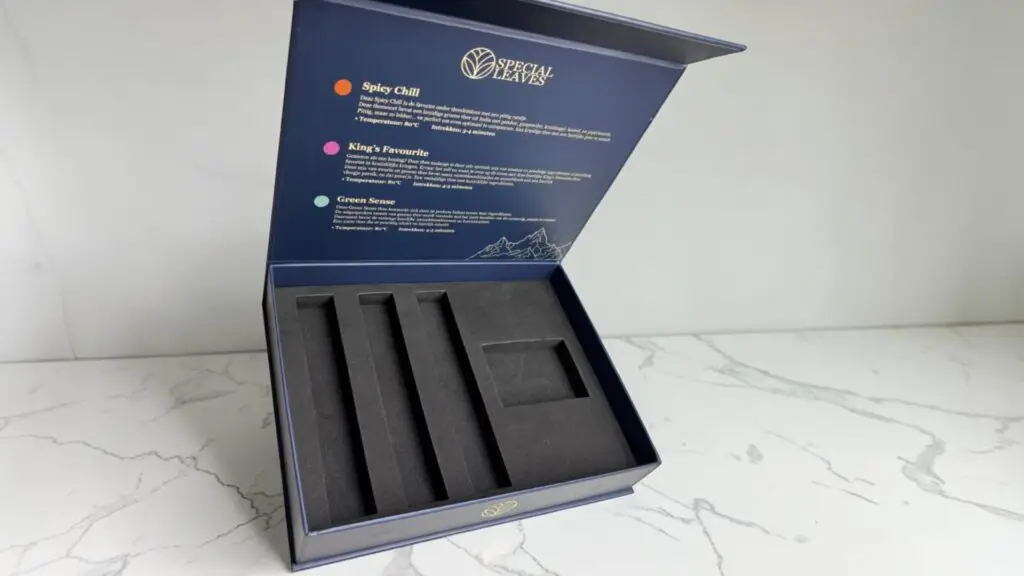
When investing in a custom rigid gift box, brand owners expect structural integrity that lasts. However, it can be frustrating to discover that luxury packaging stored in a warehouse for 1 to 2 months begins to warp, show wrinkles on the wrapping paper, or sag in the middle.
This issue is particularly common in magnetic closure designs, flat-folding structures, and large-size rigid gift box packaging. Understanding the root causes can help you avoid costly packaging failures.
Part I. Key Causes of Rigid Gift Box Warping in Storage
1. Moisture Absorption and Humidity Fluctuations
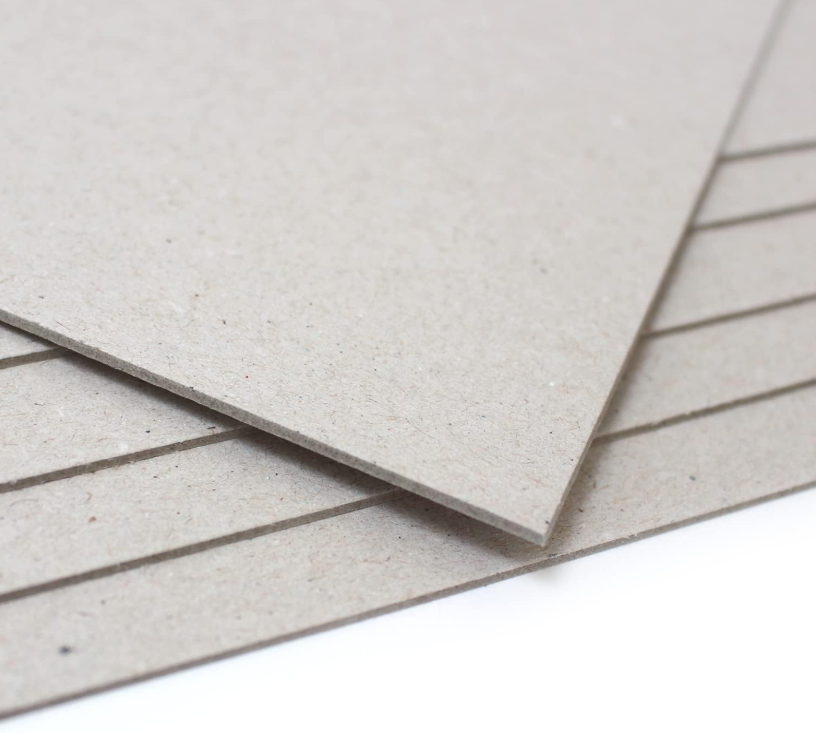
Greyboard is highly porous and naturally hygroscopic. During transit or long-term warehouse storage, changes in humidity cause paper fibers to expand and contract. If the board absorbs moisture unevenly, internal stress develops, leading to lid warping or collapsed center panels.
Therefore, proper moisture-proof measures are critical. You can learn more about general paperboard standards from the Technical Association of the Pulp and Paper Industry TAPPI.
2. Uneven Glue Tension and Incorrect Paper Lamination
During the lamination process, glue introduces moisture to the paper. If the tension between the outer wrapping paper, the inner liner, and the greyboard core is not balanced, the paper will pull unevenly as it dries. Over time, this stress creates surface wrinkles or causes the rigid gift box lid to curve upward.
3. Inadequate Board Density and Thickness
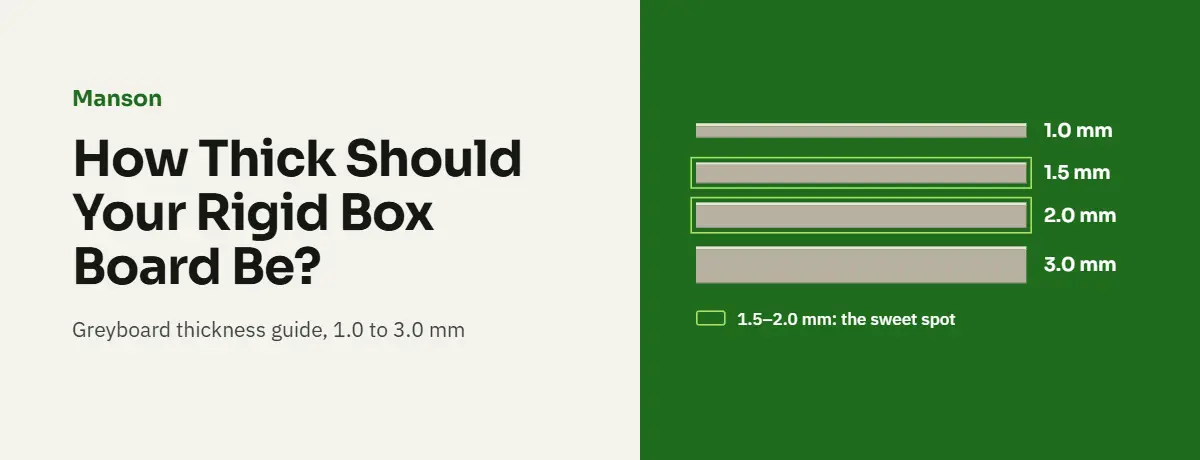
Using low-density or insufficient greyboard thickness (e.g., using 1.5mm instead of 2.0mm+ for a large box) compromises structural strength. Under stack pressure in warehouses, thin or poor-quality greyboard lacks the rigidity needed to hold its shape, causing center sagging.
4. Recycled Board vs. Premium Virgin Pulp Board
Opting for high-quality virgin pulp board rather than cheap recycled material drastically improves stability. Virgin pulp board offers superior stiffness, excellent compression resistance, and exceptional warp resistance. While low-grade recycled board may match the same thickness at a lower price, its structural stiffness is severely compromised—making it one of the primary triggers for rigid gift box deformation.
Part II. Effective Ways to Prevent Box Deformation
To guarantee long-term durability for your custom packaging, ensure your manufacturer follows these production standards:
* High-Density Greyboard: Always select premium, high-density greyboard with balanced moisture content (typically 6%–8%).
* Balanced Tension Lamination: Ensure inner liners and outer wraps use compatible paper weights to equalize tension and balance the structure.
* Moisture-Barrier Coatings: Apply protective lamination or protective varnishes to minimize humidity sensitivity.
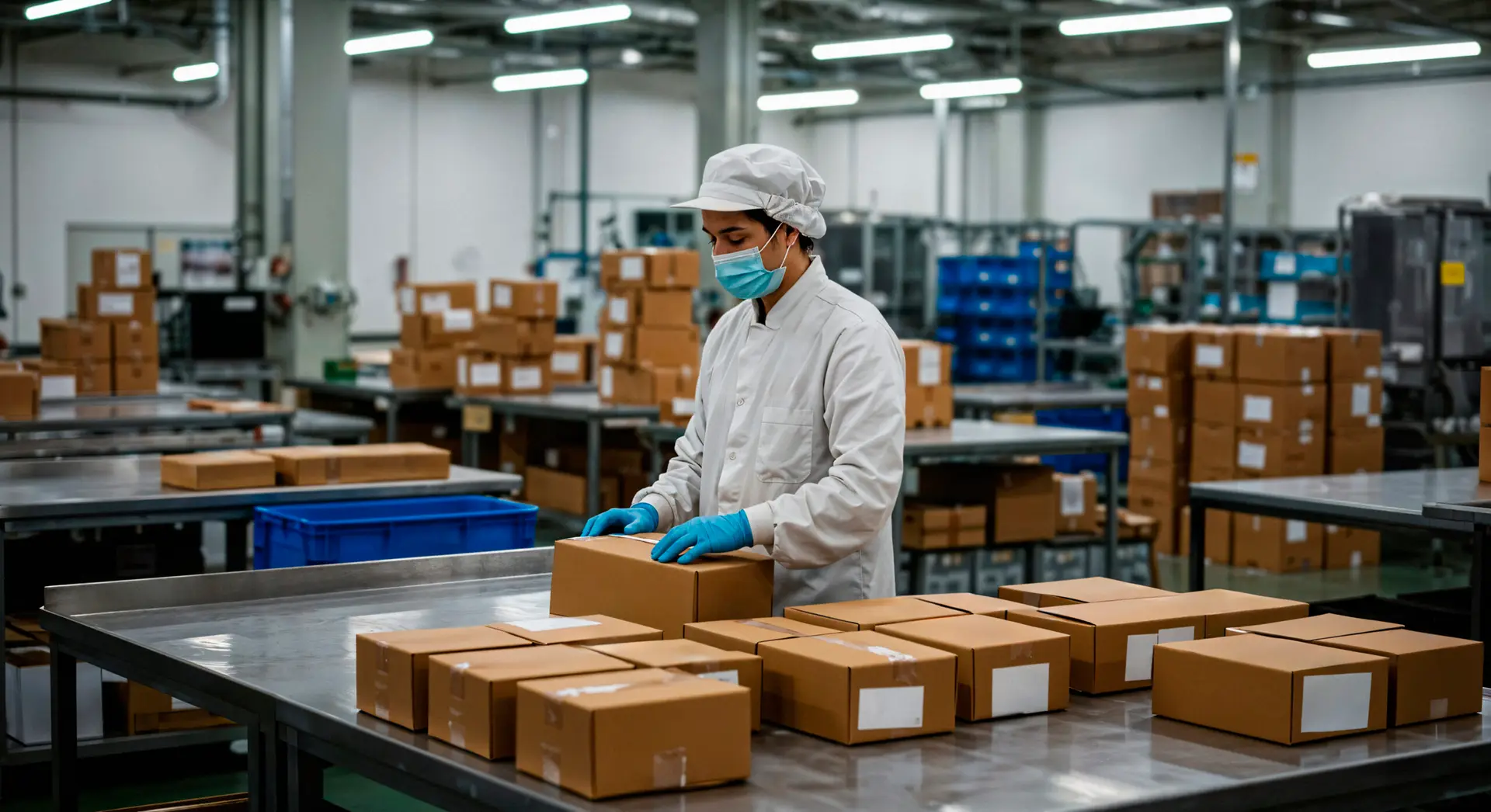
* Protective Shipping Packaging: Use moisture-proof packaging methods and specially treated shipping cartons to provide a crucial temporary shield against severe humidity damage.
Part III. Reliable Rigid Gift Box Solutions by Manson Packaging
At Guangzhou Manson Printing & Packaging Co., Ltd, we understand that structural defects can erode buyers’ confidence in their products and negatively impact sales growth. That is why we implement rigorous quality control across every production run to ensure long-term structural stability for global brands.
As a specialized packaging manufacturer, we evaluate product weight, dimensions, printing effects, and shipping conditions from the initial design stage. During pre-production, all raw materials undergo strict screening, testing both stiffness and moisture resistance to ensure they meet international standards before going onto the production line.
If you are looking for durable, high-end packaging solutions, explore our custom rigid gift box solutions to protect and elevate your product image.
Frequently Asked Questions (FAQ for Procurement Managers)
Q1: How soon after production can rigid box warping appear?
A: Warping typically shows up 1–2 months after storage, especially in magnetic closure, flat-folding, and large-size rigid gift boxes, as the board gradually absorbs ambient moisture over time.
Q2: Is warping caused by the paper wrap, the greyboard core, or both?
A: Usually both. Uneven lamination tension between the outer wrapping paper and the greyboard core creates internal stress, while the greyboard itself absorbs moisture unevenly—the combination is what pulls the lid or panel out of shape.
Q3: Does using thicker greyboard always prevent warping?
A: Not by itself. Thickness matters (e.g. 2.0mm+ for large boxes), but density and moisture content (ideally 6%–8%) are equally important. A thick but low-density or poorly balanced board can still warp under storage humidity.
Q4: Is recycled greyboard always a bad choice?
A: Not always, but it carries higher risk. Recycled board can match the same thickness as virgin pulp board at a lower cost, but its structural stiffness and compression resistance are typically lower, making it more prone to long-term deformation.
Q5: What should I ask my manufacturer to confirm before placing a bulk order?
A: Ask for the greyboard’s density and moisture content specs, confirm whether tension-balanced lamination is used, and check if moisture-barrier coating or protective shipping packaging is included as standard.